- Home
- ›
- ›How to Fix 6 Word Print to PDF Errors: Quick & Easy Solutions
How to Fix 6 Word Print to PDF Errors: Quick & Easy Solutions
Fix Word Print to PDF errors fast with 5 proven methods, plus discover when Smallpdf’s OCR tools offer better reliability and features.`
PDF Printing Tips & Guides
More on Edit PDF
More on Word to PDF
Having issues with Microsoft Print to PDF like missing text, incorrect line weights, or files not saving?
These errors can be frustrating, whether you’re running a business, finishing an assignment, or working on a client project. Fortunately, most problems are simple to troubleshoot and resolve.
This guide walks you through proven methods to fix common Microsoft Print to PDF errors quickly. Follow these steps to get back on track.
Quick Fixes to Try First
Check if it’s enabled: Press Windows + R, type ‘optionalfeatures.exe’ and make sure “Microsoft Print to PDF” is checked.
Restart your PC: A full restart (not shutdown) often resolves temporary glitches.
Try PowerShell: Run as admin and type ‘Enable-WindowsOptionalFeature -online -FeatureName Printing-PrintToPDFServices-Features’
Check your printers: Go to “Settings” and select “Printers & Scanners” to see if Microsoft Print to PDF appears.
Use Smallpdf instead: If all else fails, try our free online PDF tools.
What Microsoft Print to PDF Is and How to Use It
Microsoft Print to PDF is a built-in virtual printer driver in Windows 10 and Windows 11 that converts any printable document into a PDF file without needing physical printing hardware. Think of it as a “fake printer” that creates PDF files instead of paper copies.
Here’s how to use it:
Open any document, webpage, or image you want to convert.
Press Ctrl + P (or go to “File,” then “Print”).
In the print dialog, select “Microsoft Print to PDF” from the printer dropdown.
Click “Print.”
Choose where to save your PDF file and give it a name.
The virtual printer works with almost any application that has a print option—from Word documents to web pages to photos. By default, it saves files to your Documents folder unless you specify otherwise.
Install or Reinstall Microsoft Print to PDF on Windows 10/11
If Microsoft Print to PDF is missing from your system, you’ll need to install it. Here are five reliable methods to get it working:
Method 1: Through Windows Features
Press Windows + R and type ‘optionalfeatures.exe’ then hit “Enter.”
Scroll down and find “Microsoft Print to PDF.”
Check the box next to it and click “OK.”
Wait for Windows to install the feature, then restart your computer.
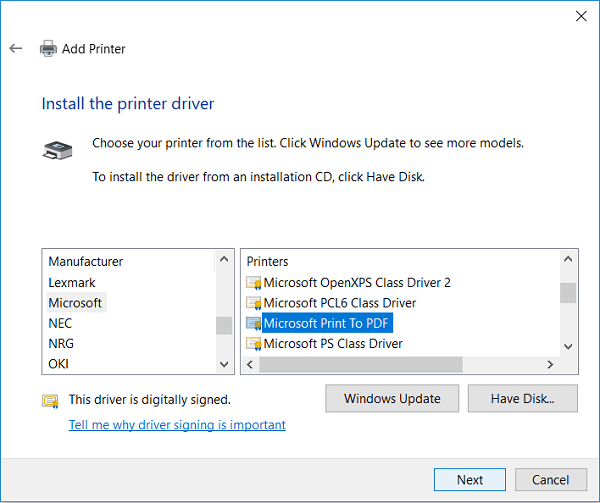
Method 2: Add Printer Through Settings
Open Settings by pressing “Windows + I.”
Go to “Devices” and select “Printers & Scanners.”
Click “Add a printer or scanner.”
Select “The printer that I want isn’t listed.”
Choose “Add a local printer or network printer with manual settings.”
Select “Use an existing port” and choose “PORTPROMPT: (Local Port).”
From the manufacturer list, select Microsoft, then choose “Microsoft Print to PDF.”
Complete the installation and restart your PC.
Method 3: Reinstall via Device Manager
Right-click the Start button and select “Device Manager.”
Expand “Printers” and find “Microsoft Print to PDF.”
Right-click it and select “Uninstall device.”
Restart your computer—Windows should automatically reinstall the driver.
Method 4: PowerShell Commands
Right-click the Start button and select “Windows PowerShell (Admin).”
Type this command: ‘Enable-WindowsOptionalFeature -online -FeatureName Printing-PrintToPDFServices-Features’.
Press “Enter” and wait for the process to complete.
Restart your computer when prompted.
Method 5: Command Prompt (CMD)
Press Windows + R, type cmd, and press Ctrl + Shift + Enter to run as admin.
Type: ‘DISM /online /Enable-Feature /FeatureName:Printing-PrintToPDFServices-Features’
Press “Enter” and wait for completion.
Restart your PC.
Fix Microsoft Print to PDF Not Working or Missing
When Microsoft Print to PDF isn’t cooperating, these targeted fixes will get it working again.
Check Default Save Location
Sometimes, the Print to PDF feature might appear broken when, in fact, the PDFs are being saved to unexpected locations. Here’s how to check if the files are being saved in the default user folder:
Press Windows + R to open the Run application.
Type ‘C:\users\%username%’ and press “Enter.”
Look for the PDF files here. If you don’t find them, check the Documents folder by typing ‘C:\users\%username%\Documents’.
Still no luck? Move on to the troubleshooting methods below.
Restart the Print to PDF Feature
Restarting the feature can resolve glitches without much hassle:
Press Windows + R and type ‘appwiz.cpl’ then hit “OK” to open the “Programs and Features” menu.
Select “Turn Windows features on or off” from the left-hand menu.
Uncheck the box next to “Microsoft Print to PDF” and press “OK” to disable it temporarily.
Restart your computer.
Repeat steps 1-3, then check the box next to “Microsoft Print to PDF” and press “OK” to re-enable it.
Reboot your system and try using Print to PDF again.
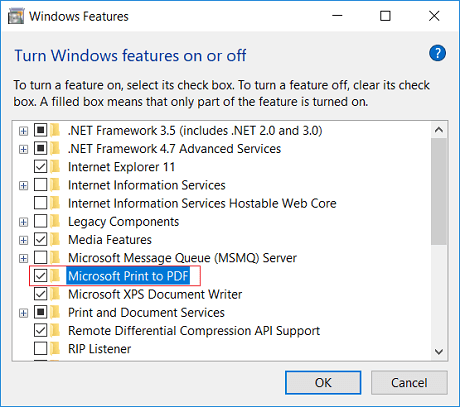
This restart often resolves minor software hiccups.
Set Microsoft Print to PDF as Default
An incorrect default printer setting may block Print to PDF from functioning properly. Fix it with these steps:
Press Windows + R and type ‘control printers’ then hit “OK.”
Locate Microsoft Print to PDF in the list of devices.
Right-click it and select “Set as default printer.”
Restart your computer and test the feature again.
Setting it as the default ensures there are no conflicts with other printers.
Update Windows and Drivers
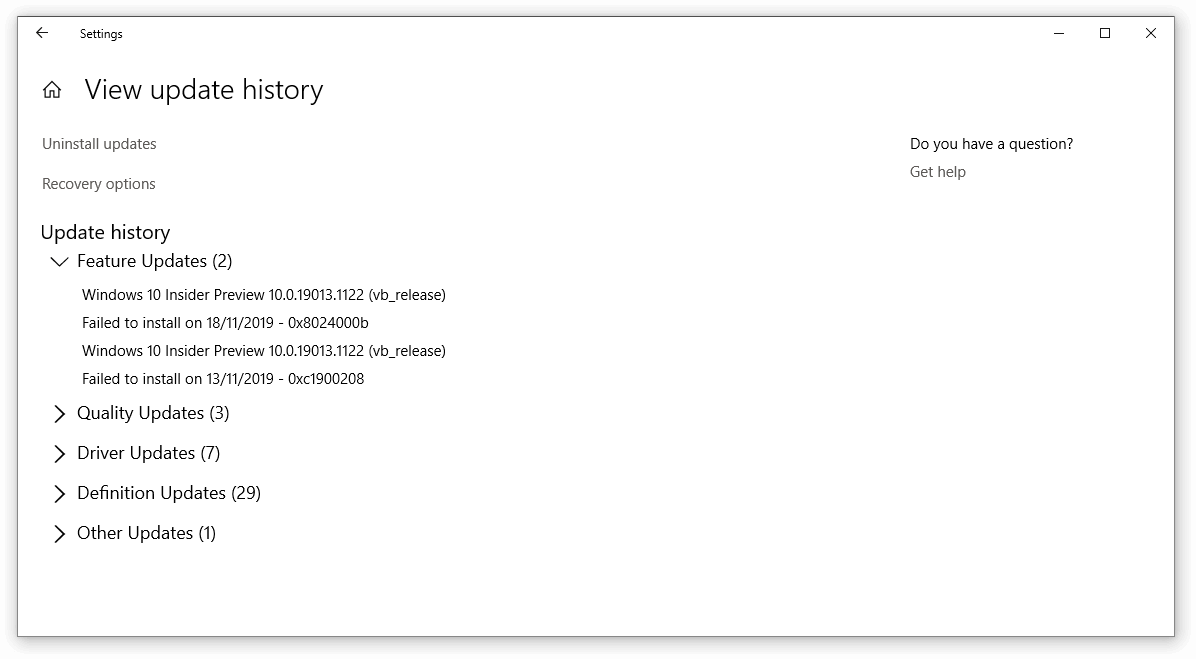
Keeping your Windows operating system up to date can resolve many system-level bugs. Here’s how to check for updates:
Open the Start menu and click “Settings” (or press Windows + I).
Navigate to “Update & Security.”
Click “Check for updates.”
If updates are available, install them, then restart your computer. Run Print to PDF again to see if the updated system resolved the issue.
Fix Error 0x800f0922
This specific error code usually appears when Windows can’t install the Print to PDF feature. Here’s how to fix it:
Open “Command Prompt” as administrator.
Run: ‘sfc /scannow’ to check for system file corruption.
After completion, run: ‘DISM /Online /Cleanup-Image /RestoreHealth’.
Restart your computer and try installing Microsoft Print to PDF again.
Using special characters like commas in file names can also cause Print to PDF to fail. Always save files using plain text formats without symbols (e.g., Report2024 instead of Report,2024).
Best Alternatives When Microsoft Print to PDF Isn’t Available
When Microsoft Print to PDF isn’t cooperating, Smallpdf offers a reliable alternative that works directly in your browser—no installation needed.
Here’s why Smallpdf might be your better option:
Works on any device: Mac, Windows, mobile—no driver issues.
OCR technology: Convert scanned documents into searchable, editable PDFs.
Batch conversion: Lets you convert multiple files at once.
Cloud storage integration: Direct access to Dropbox, Google Drive, and OneDrive.
Advanced editing: Add text, images, signatures, and annotations.
File compression: Reduce PDF sizes without losing quality.
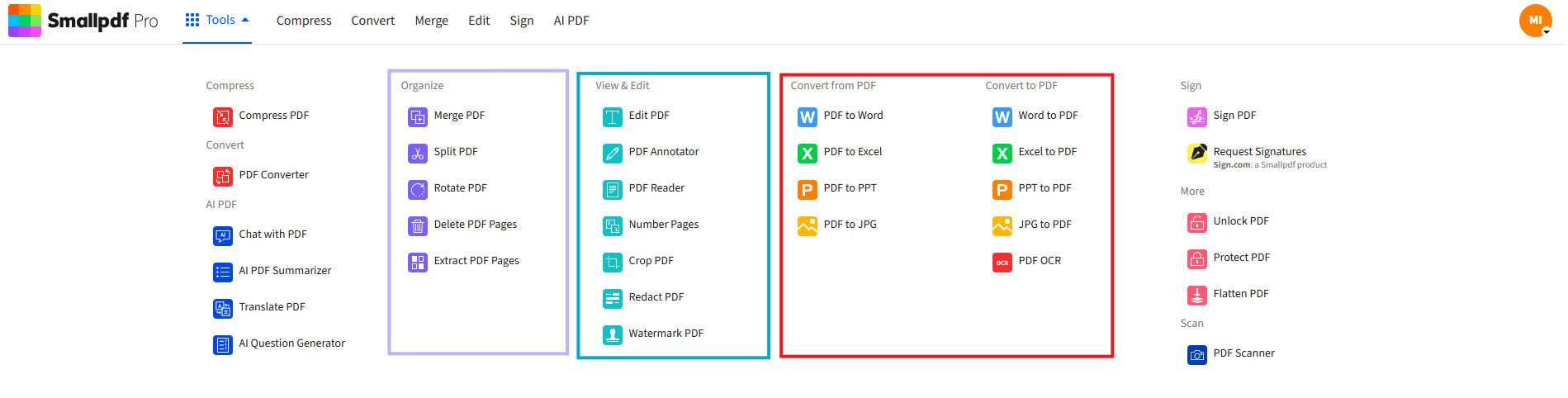
Plus, you get access to our full suite of PDF tools—merge, split, compress, edit, and sign documents all in one place.
Wrap-Up: Quick Fixes and When to Use Smallpdf’s OCR Tools
Most Microsoft Print to PDF issues boil down to the feature being disabled, corrupted drivers, or system glitches. The quickest fixes are usually enabling it through Windows Features or running the PowerShell command.
When Print to PDF consistently fails or you need more advanced features, Smallpdf’s tools become invaluable. Our technology can handle scanned documents, convert images to searchable PDFs, and process files that traditional virtual printers struggle with.
Remember: virtual printer drivers can be finicky, but document conversion doesn’t have to be. Whether you stick with Microsoft’s built-in solution or upgrade to Smallpdf’s comprehensive toolkit, you’ll have reliable PDF creation at your fingertips.
Want to Convert Your Files to PDF?
Microsoft Print to PDF FAQs
Does Microsoft Print to PDF actually print physical documents?
No, it’s a “virtual printer” that creates PDF files instead of physical printouts. It converts your document to PDF format and saves it to your computer.Where does Microsoft Print to PDF save files by default?
Files are typically saved to your Documents folder, but you can choose any location when the save dialog appears.What’s the difference between Save As PDF and Print to PDF?
Save As PDF preserves the original document’s formatting exactly, while Print to PDF creates a PDF based on how the document would look when printed—sometimes with slight layout differences.Can I use Microsoft Print to PDF on Mac?
No, it’s a Windows-only feature. Mac users have a built-in “Export as PDF” option in their print dialog instead.Why is my Microsoft Print to PDF creating large file sizes?
The virtual printer doesn’t compress files automatically. Try Smallpdf’s compression tool to reduce file sizes by up to 99%.How do I fix error 0x800f0922 when using Microsoft Print to PDF?
Run ‘sfc /scannow and DISM /Online /Cleanup-Image /RestoreHealth’ in Command Prompt as admin, then restart and try reinstalling the feature.Correct formatting issues in Word-generated PDFs with Smallpdf Pro
Related Articles