- Home
- ›
- ›Microsoft Print to PDF: What It Is, Issues, and Fixes
Microsoft Print to PDF: What It Is, Issues, and Fixes
Struggling with Microsoft Print to PDF issues? Learn quick fixes for missing features, offline errors, and discover a better alternative.
PDF Printing Tips & Guides
More on Edit PDF
More on PDF Converter
Do you rely on the Microsoft Print to PDF feature but find yourself occasionally frustrated?
While this handy Windows feature simplifies converting your documents into PDFs, it can sometimes run into issues that leave users scratching their heads.
This blog will explain what Microsoft Print to PDF is, address common problems like ‘Microsoft Print to PDF not working’ (or ‘missing’), and provide practical fixes to get things running smoothly again. Plus, we’ll show you a more efficient tool—Smallpdf’s online PDF converter—that can tackle these issues with ease.
What Is Microsoft Print to PDF?
Microsoft Print to PDF is a built-in Windows feature that allows you to “print” a file as a PDF. Instead of printing a hard copy, it saves a PDF version of the document.
You can use this feature from any application that includes a print option—simply select Microsoft Print to PDF as your printer.
Why is it popular?
Ease of use: It eliminates the need for third-party software.
Versatility: It works with a wide range of file types, such as Word documents, images, and web pages.
However, like any tool, it’s not without its flaws. Many users encounter headaches like the PDF feature not working, saving files as .oxps instead of PDFs, or disappearing entirely.
Quick FAQs About Microsoft Print to PDF
Is Microsoft Print to PDF free?
Yes, it’s completely free and built into Windows 10 and 11.
Does it actually print physical copies?
No, it won’t use your actual printer ink! It creates digital PDFs instead.
What’s the difference between Save as PDF and Print to PDF?
Save as PDF preserves original formatting, while Print to PDF mimics how the document would look when printed.
Can I use it with any program?
Yes, any app with a print function can use Microsoft Print to PDF.
How to Use Microsoft Print to PDF on Windows 10 and 11
Using Microsoft Print to PDF is straightforward once you know the steps:
Open any document or webpage you want to convert.
Press Ctrl+P or go to “File” then “Print.”
Select “Microsoft Print to PDF” from the printer dropdown menu.
Click the “Print” button.
Choose your save location and enter a filename.
Click “Save” to create your PDF.
That’s it! Your document is now saved as a PDF file wherever you choose to store it.
How to Reinstall or Enable Microsoft Print to PDF
If Microsoft Print to PDF is missing from your printer list, you’ll need to enable or reinstall it. Here are two methods that work:
Enable Microsoft Print to PDF Through Windows Features
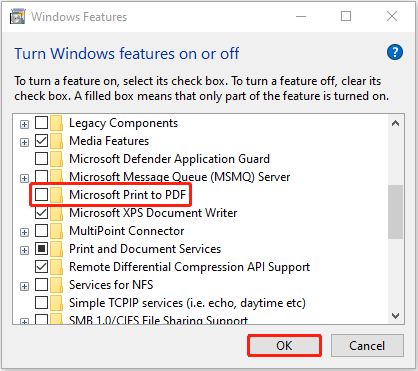
Search for “Turn Windows features on or off” in your start menu.
Uncheck “Microsoft Print to PDF,” click “OK,’ and restart your computer.
Return to the same menu, re-check the feature, and click “OK” again.
Add Microsoft Print to PDF Manually
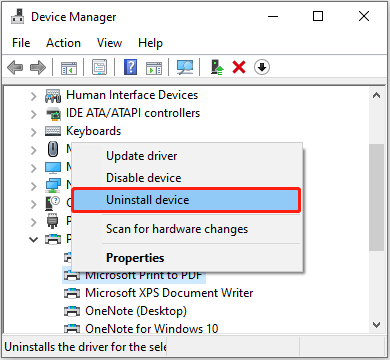
Right-click the “Start” icon and go to “Device Manager.”
Find “Microsoft Print to PDF” under “Print queues,” right-click it, and choose “Uninstall device.”
Restart your computer, and Windows should reinstall the printer automatically.
Set Microsoft Print to PDF as Default and Adjust Printer Properties
Want to make Microsoft Print to PDF your go-to option? Here’s how to set it as your default printer:
Open “Settings,” select “Bluetooth & devices” and “Printers & scanners.”
Uncheck “Let Windows manage my default printer” if it’s enabled.
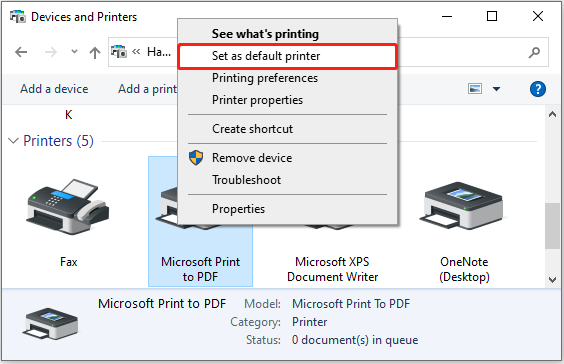
Find “Microsoft Print to PDF” in the list and click on it.
Click “Set as default” to make it your primary printing option.
You can also adjust printer properties for specific permissions or security settings through the Control Panel if needed.
Fix Microsoft Print to PDF Not Working or Missing
When Microsoft Print to PDF acts up, try these targeted solutions based on your specific issue.
Microsoft Print to PDF Missing From Printer List
If you can’t find Microsoft Print to PDF in your printer options:
Go to “Settings,” then “Bluetooth & devices,” and select “Printers & scanners.”
Click “Add device” and select “Add manually.”
Choose “Add a local printer or network printer with manual settings.”
Select “Use an existing port” and choose “FILE: (Print to File)” from the dropdown.
Select Microsoft as the manufacturer and “Microsoft Print To PDF” as the printer.
Microsoft Print to PDF Shows as Offline or Unavailable
If the printer appears offline:
Open Services by pressing Win+R, typing “services.msc”, and pressing Enter.
Find “Print Spooler” in the list and right-click it.
Select “Restart” to refresh the printing service.
Check if Microsoft Print to PDF is now available.
Microsoft Print to PDF Driver Issues
For driver-related problems:
Open Device Manager and expand “Print queues.”
Right-click Microsoft Print to PDF and select “Update driver.”
Choose “Search automatically for drivers” and let Windows find the correct driver.
Restart your computer after the update completes.
Additional tip: Ensure your file name doesn’t contain any special characters like commas or symbols, which can disrupt functionality. Rename it with plain text and try again.
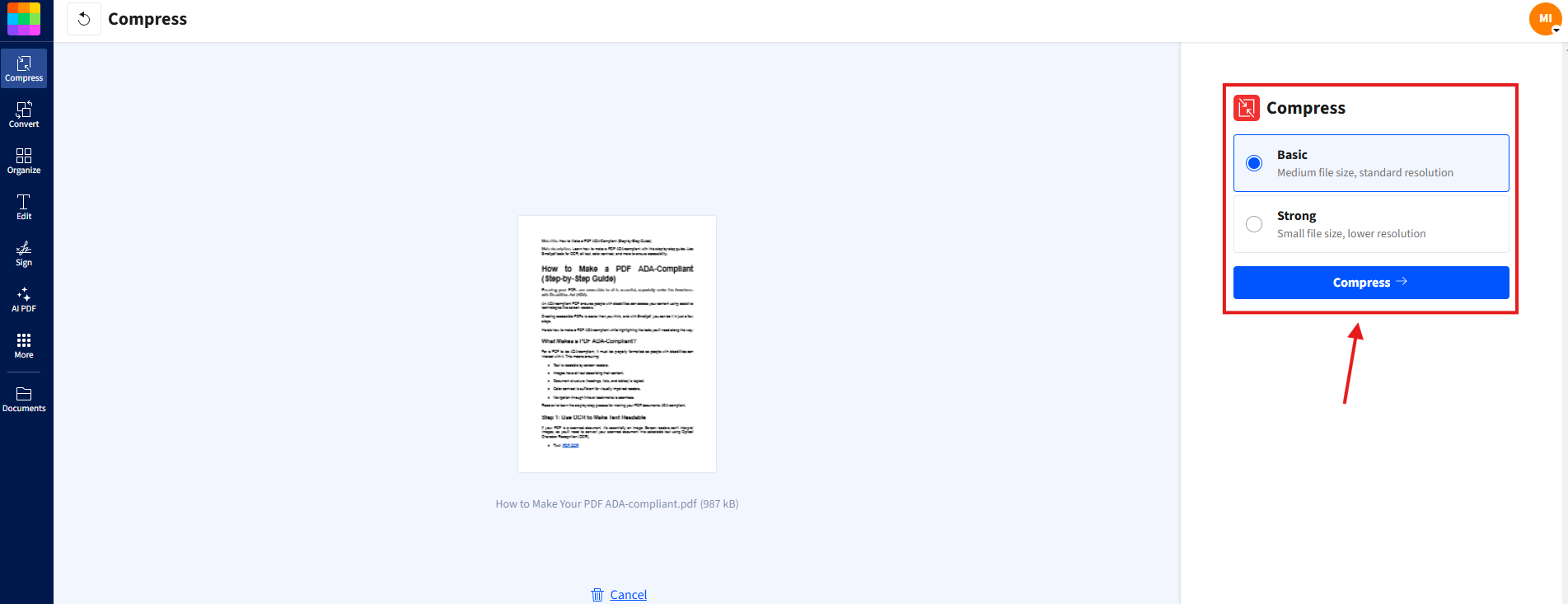
If you find your PDFs unusually large after conversion, use our Compress PDF to shrink them without losing quality.
Best Alternative: Convert and Manage PDFs Online With Smallpdf
Sometimes, Microsoft Print to PDF falls short due to bugs or limited features. That’s where Smallpdf steps in as a reliable, easy-to-use solution.
Why Online Converters Can Be Better Than Built-In Tools
No installation required—works on any device with internet
Batch conversion capabilities for multiple files
Additional features like OCR, editing, and compression
Consistent performance across different operating systems
Tools Perfect for Fixing PDF Issues
PDF to Word, Excel, or PPT: Convert PDFs into editable formats to fix file issues
JPG to PDF: Convert images into PDFs quickly and easily
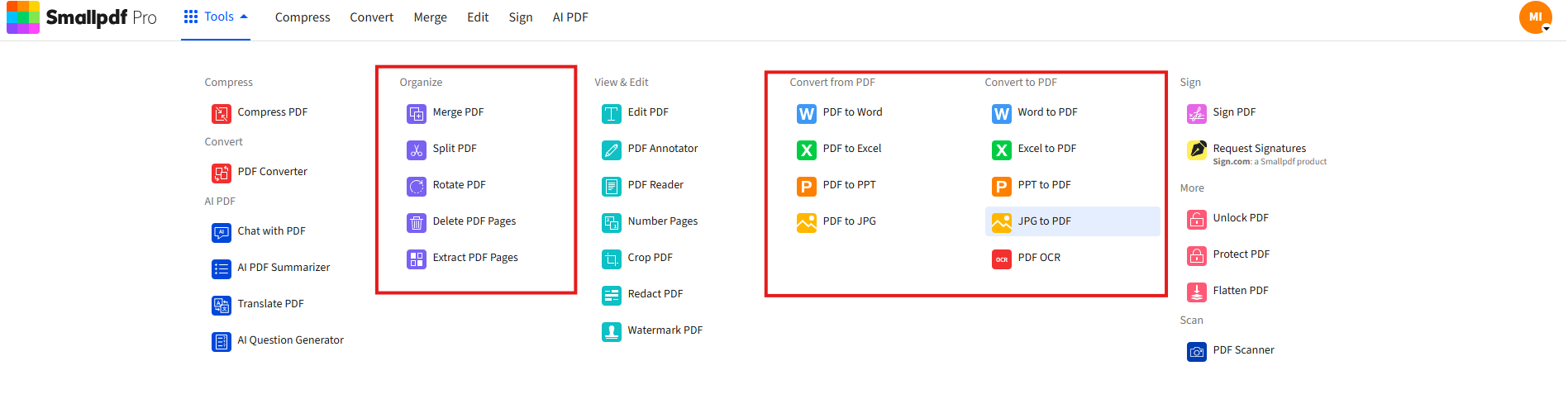
Features That Make Smallpdf Stand Out
Comprehensive Toolkit: Convert almost any file format to PDF and back.
AI Tools: Use AI PDF Summarizer or AI Question Generator for smarter workflows.
Annotate and Edit: Mark up and modify files with the PDF Annotator and Edit PDF tools.
Sign & Protect: Sign your files or secure them with Protect PDF.
User-Friendly Design: Drag, drop, and download in seconds.
Data Security: Advanced TLS encryption and automatic file deletion after one hour of processing.
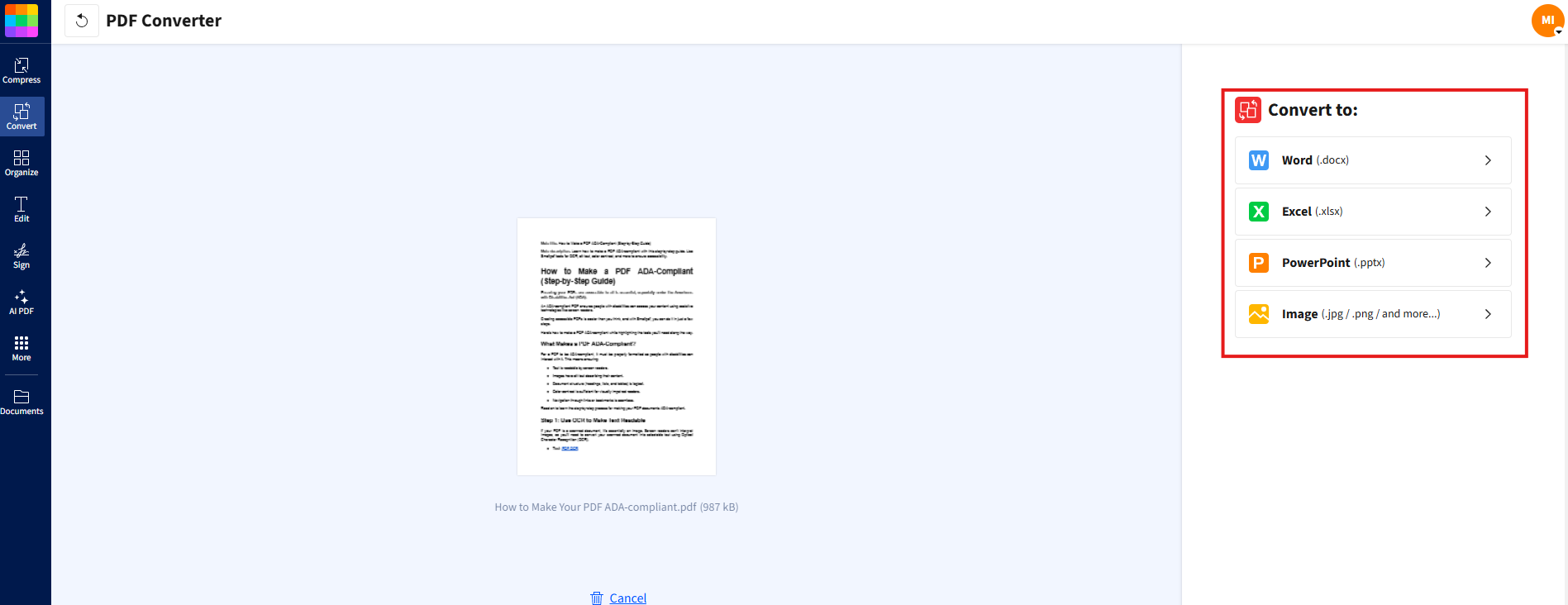
Simple 4-step Process
Visit our PDF Converter or
Upload your file - drag and drop for ease in the upload area below, or click to choose it.
3. Select your desired output format and click Convert.
4. Download your polished file instantly.
No special software or installation required—it works on any operating system and device!
Smallpdf has everything you need to manage, fix, and enhance your PDF files easily and efficiently. Start your free trial to access all Smallpdf tools.
Frequently Asked Questions
How do I enable Microsoft Print to PDF if it’s missing?
Go to “Turn Windows features on or off” in your start menu, check the “Microsoft Print to PDF box,” and restart your computer.Can Microsoft Print to PDF create fillable forms?
No, Microsoft Print to PDF only creates static PDFs without interactive form fields.Does Microsoft Print to PDF compress files?
It applies basic compression, but files may still be large depending on content and images.Why does Microsoft Print to PDF create large files?
High-resolution images and complex formatting can increase file size since it preserves print quality.Can I password protect PDFs with Microsoft Print to PDF?
No, you’ll need third-party software like Smallpdf’s Protect PDF tool for password protection.What’s the maximum file size for Microsoft Print to PDF?
There’s no official limit, but very large documents may cause performance issues or timeouts.Fix Print to PDF issues faster with Smallpdf
Related Articles