- Home
- ›
- ›Is Flattening a PDF the Same as Compressing It?
Is Flattening a PDF the Same as Compressing It?
Flattening locks a PDF’s final look. Compression shrinks file size. We’ll show the difference, plus how to do both in Smallpdf.
More on Flatten PDF
PDF Page Tools & Guides
More on PDF Compression: Tool & Guides
What does flattening a PDF mean?
Flattening a PDF locks everything into a single, non-editable layer, so what you see is what others get when they open, print, or share it.
Keep reading as we’ll share more information.
What Is PDF Flattening?
Flattening a PDF means merging layers and interactive elements into one static layer. That can include form fields, annotations, and other overlay content, depending on the file.
If you only remember one thing, make it this.
Flattening changes how the PDF behaves.
Compression mainly changes how big the file is.
Simple as that, now let’s look at the differences.
Flattening vs. Compressing: Quick Comparison
Both actions can make a PDF easier to share, but they solve different problems. Here’s the fast way to decide.
| Feature | Flattening | Compressing |
|---|---|---|
| Main goal | Lock the PDF’s appearance and behavior. | Reduce file size for faster sharing and uploads. |
| What changes | Layers and interactive elements get “baked in.” | Images and internal structure get optimized. |
| What stays | The look stays consistent across viewers. | Forms and interactive elements usually stay active. |
| Typical file size impact | Sometimes smaller, not guaranteed. | Often smaller, sometimes much smaller. |
| Best for | Signed forms, stamped docs, print-ready files. | Email limits, portals with upload caps, storage cleanup. |
| Avoid when | You still need people to fill forms or edit fields. | You need the absolute best image quality for print. |
Is Flattening a PDF the Same as Compressing It?
No, flattening focuses on making the file static and consistent. Compression focuses on shrinking file size while keeping the document usable.
Flattening can reduce the size in some cases, especially if the PDF has lots of layered elements. That’s a side effect, not the main point.
Compression is the better choice when the PDF is simply too large to send or upload.
When Flattening Is the Right Move
Flattening is the safer pick when you care about how the document opens, prints, or looks to someone else.
Here are a few real-world scenarios where flattening is the correct action:
Scenario 1: You’re sending a signed contract to a client.
You want the signature, date, and any stamps to be permanent. Flattening helps prevent accidental edits and keeps the file consistent across viewers.
Scenario 2: You’re printing a form and the fields don’t show right.
Some print workflows struggle with layered content. Flattening can make the layout print as expected.
Scenario 3: You’re sharing a PDF with annotations for approval.
If comments, highlights, or markups must stay exactly where you placed them, flattening locks them in, and they become static.
When Compression Is the Better Choice
Compression is better when the document already behaves correctly, but it’s too heavy to move around.
A few common examples:
You’re emailing a PDF and keep hitting attachment limits.
You’re uploading to a portal with a strict size cap.
You’re storing lots of PDFs and want to reclaim space.
Smallpdf Compress PDF offers Basic and Strong options, so you can choose the balance between size and quality.
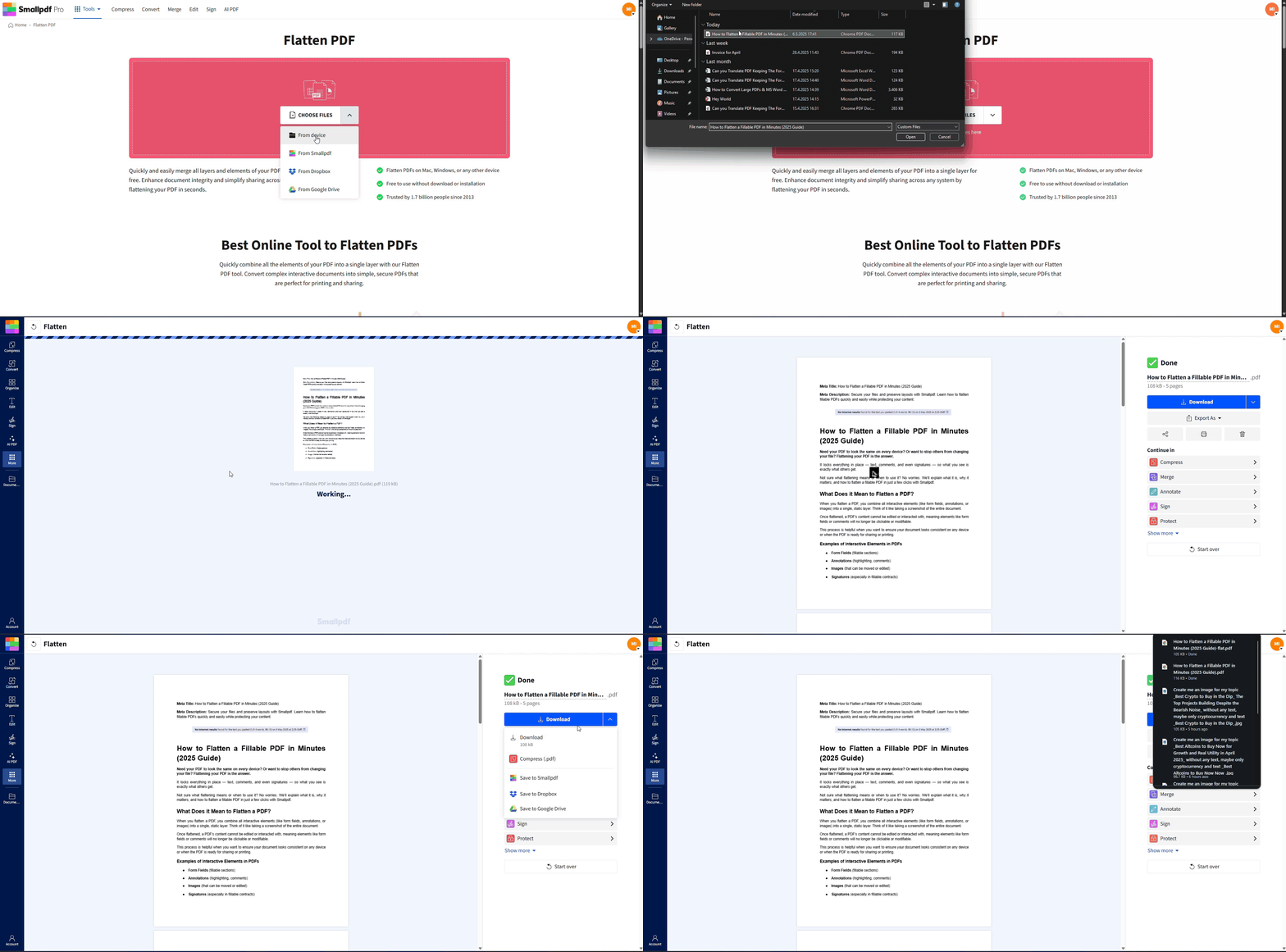
How To Flatten a PDF in Smallpdf
Flattening a PDF is easiest when you do it as the last step, after you finish editing, filling, or signing. It’s also smart to keep a copy of the original in case you need to change something later.
Step 1: Open Smallpdf Flatten PDF and Upload Your File
Open Flatten PDF. In the Flatten PDF area below, click “Choose Files” or drag and drop your PDF to lock in the changes.
Step 2: Flatten the Document
Smallpdf merges the PDF’s elements into a single layer so the file becomes static and easier to share and print.
Step 3: Download or Share the Flattened PDF
Download your flattened file, or share it right away if that’s your next step.
How To Compress a PDF in Smallpdf
Compression is usually the next move after you confirm the PDF looks right. If you compress first, you might end up redoing work if the file needs layout tweaks.
Step 1: Upload Your File
Open Compress PDF, then add your PDF in the Compress PDF area below. You can upload it from your device or import it from common cloud services.
Step 2: Choose Basic or Strong Compression
Pick Basic compression when you want a smaller file while keeping quality high. Pick Strong compression when you need the smallest file size possible, and your plan includes it.
Step 3: Download Your Compressed PDF
Once compression finishes, download the smaller PDF and test it. Open it, zoom in on images, and confirm text stays crisp.
Troubleshooting: Common Flattening and Compression Issues
A few quick fixes can save you from reprocessing the file multiple times.
1. Links Stopped Working After Flattening
Flattening can remove interactive elements like links and forms, depending on how the PDF is built. If links must remain clickable, keep an unflattened version for sharing, and only flatten the print version.
2. Fillable Form Became Read-Only
That’s expected. Flattening can turn form fields into static content. If someone still needs to type into fields, don’t flatten until after all entries are complete.
3. PDF Looks Different After Processing
If a PDF’s formatting shifts after processing, try again and confirm you’re using the latest version of your browser. If it keeps happening, we recommend reporting the issue so it can be investigated.
4. Compression Made Images Look Softer
If your PDF includes image-heavy pages, try Basic compression first. Strong compression can push harder on images, which is helpful for strict limits but not always best for print.
5. The File Is Still Too Big After Compression
If Basic compression isn’t enough, Strong compression can reduce size further if it’s available for your plan. If size is still a problem, try splitting the PDF into smaller sections before sending.
Flatten and Compress PDFs With More Control
If your priority is locking the final look, start with Flatten PDF so your file stays consistent across devices and prints.
If your priority is speed and file size, use Compress PDF and pick the compression level that fits your situation.
For many workflows, you’ll use both. Flatten to lock the document’s behavior, then compress to make it easier to send and store.
Frequently Asked Questions
What does flatten a PDF mean?
Flattening merges layers and elements into a single, static layer so the PDF becomes non-editable and more consistent across devices and printers.Does flattening a PDF remove form fields?
It can. Flattening commonly turns fillable fields into static content, which makes the form read-only. Keep an editable copy if form-filling still matters.Can flattening reduce file size?
Sometimes. If the PDF has lots of layered elements, flattening may reduce complexity and shrink the size a bit. If size is the main problem, compression is the more direct fix.Does compressing a PDF remove signatures or annotations?
Compression is meant to reduce size without changing how the document functions, so signatures and annotations should remain. If you need to lock them in permanently, flattening is the safer last step.Should I flatten before or after compressing?
Flatten after you finish the changes you want to keep, like filled fields, signatures, stamps, or annotations. Compress after you confirm the PDF looks right and you need it smaller.Can I undo a flattened PDF?
In general, no. Once it’s flattened, restoring layers isn’t straightforward, so it’s smart to keep an original copy before you flatten.Is Smallpdf safe to use for flattening and compressing?
We use TLS encryption during file transfer and automatically deletes files after one hour for most services.Flatten and compress PDF files using Smallpdf